What questions should you ask before building a website?
Modernising an old website or creating a new one requires you to sit back and ask yourself some key questions before any online development begins. Think about your goals, your customers, and what they need. Why should they trust you and choose you over your competitors? There are a few factors to consider, so here are my top six questions for you.
Why are you creating this website?
Most brands create a website, so they have an online ‘home’ for their business. It’s almost impossible to conduct business without one. You might exist with just social media channels but ultimately, search engines look for deeper and more detailed information to serve up to customers and the most logical place for that information is your website.
It’s also a way for your potential customers to get to know you and your team if you have one. It should help them understand your values and purpose, and why you’re different from competitors. In your ‘About’ page, ensure you convey your brand’s personality, so visitors leave with a positive impression of your business.
What is the primary goal of your website?
So, the first question to ask yourself is “what is the primary goal of my website”?
Do you just want to let people know who you are and what you do?
Are you selling goods you have made or resell?
Do you want to enable bookings, appointments or meetings?
Do you want to share industry insights, thought leadership or points of view?
You may just need a simple one-pager that introduces you and what you do, or you may need multiple pages that detail your services, provide product details, share examples of your work and credentials, or provide regular blog updates.
The choice will depend on how complex your offering is and how many different audiences you need to communicate with – the more complex, the more volume and varied the information may need to be.
Who is your ideal visitor and customer?
You’re in business to sell a service or product to someone! So, who are they? I talk about Customer Personas in one of my blogs – it’s critical to go through this exercise as part of your business strategy, so you should already have a good idea who they are. The key information you’ll need is where and how they find you and how you’re attracting them, e.g. social media channels, online or offline advertising, events etc, and how you’re connecting that touchpoint to your website.
You may have a suitable page to send traffic to directly on your main website, or you may need to create a dedicated landing page providing relevant tailored information.
Think about the most logical journey a particular visitor might take. For example, if you’ve paid for an advert in a local magazine about a new service, it makes logical sense to link them to a detailed service page. Apply that same logic to any external promotion you do. If there are multiple audiences, create dedicated pages for each of them.
Now think about the service or product you are selling – what problem does it solve? What need do you fill? How do you add value? These questions should be answered in your descriptions and are well-suited to FAQs. This will help your visitor find answers quickly and search engines and AI (LLMs) look for that type of content to provide search results.
What do you want visitors to do on your website?
Consider what you want a visitor to do while on your site and what does success look like?
A website full of images, bells and whistles may look good in the design phase, but many moving parts disrupt the visitor’s experience.
Keeping your site simple, clear and functional far outweighs the need for fancy animations that slow down the responsiveness of the site and frustrate the visitor. Ensure your navigation menu and headings are clear and help visitors find their way around.
If you’re selling products – group them into logical categories and have an effective search function.
If you’re providing a service – have distinct services pages or sections.
If you need to build trust and credibility – present case studies and testimonials.
Visitors will rarely spend more than a few minutes on your site in one sitting, so keep information precise and to the point, and if you’re writing blogs, aim for around a 5-minute read time.
Think about the metrics you’ll measure so you can capture success over time. You’ll learn a great deal about your customers as you monitor which pages they visit, how long they spend on pages and how many pages they check out in one session. All of this is visible in Google Analytics (GA4) and Google Search Console (GSC) – which are freely available via Google and there are many ‘how to’ videos on YouTube to learn the basics.
What’s your ‘Call to Action’?
Now you have all these visitors coming to your site, what do you want them to do before leaving?
If you’re selling products, you want them to fill their carts and check out! Make this as easy as possible with flexible payment options, offers for multi-buys or cart value free delivery. Look after your customers as you would in a bricks and mortar store.
If you’re providing a service that doesn’t require online purchases, ensure your buttons are clearly marked and working correctly, provide sign-up for newsletters so you can maintain contact, and provide a contact page and form for enquiries and follow up.
Be sure to track all these actions and respond in a timely manner.
What I need to know if I’m building your website
All the questions above (as well as a few more!), are questions I’ll ask if you come to me for support with your website. It’s important I understand as much as possible about you, your brand, your customers and the industry you’re competing in.
I’ll also need to know the answers to a few technical and marketing questions such as:
What do you want to keep from your existing site if you have one?
Do you have any other content you’d like to share? E.g. blogs, imagery, videos etc
Do you have brand guidelines, logo files etc or do you need a new or refreshed brand look and feel?
We’ll discuss access requirements such as web hosting arrangements you may have or need, Google accounts, and any other plug-ins that require special consideration.
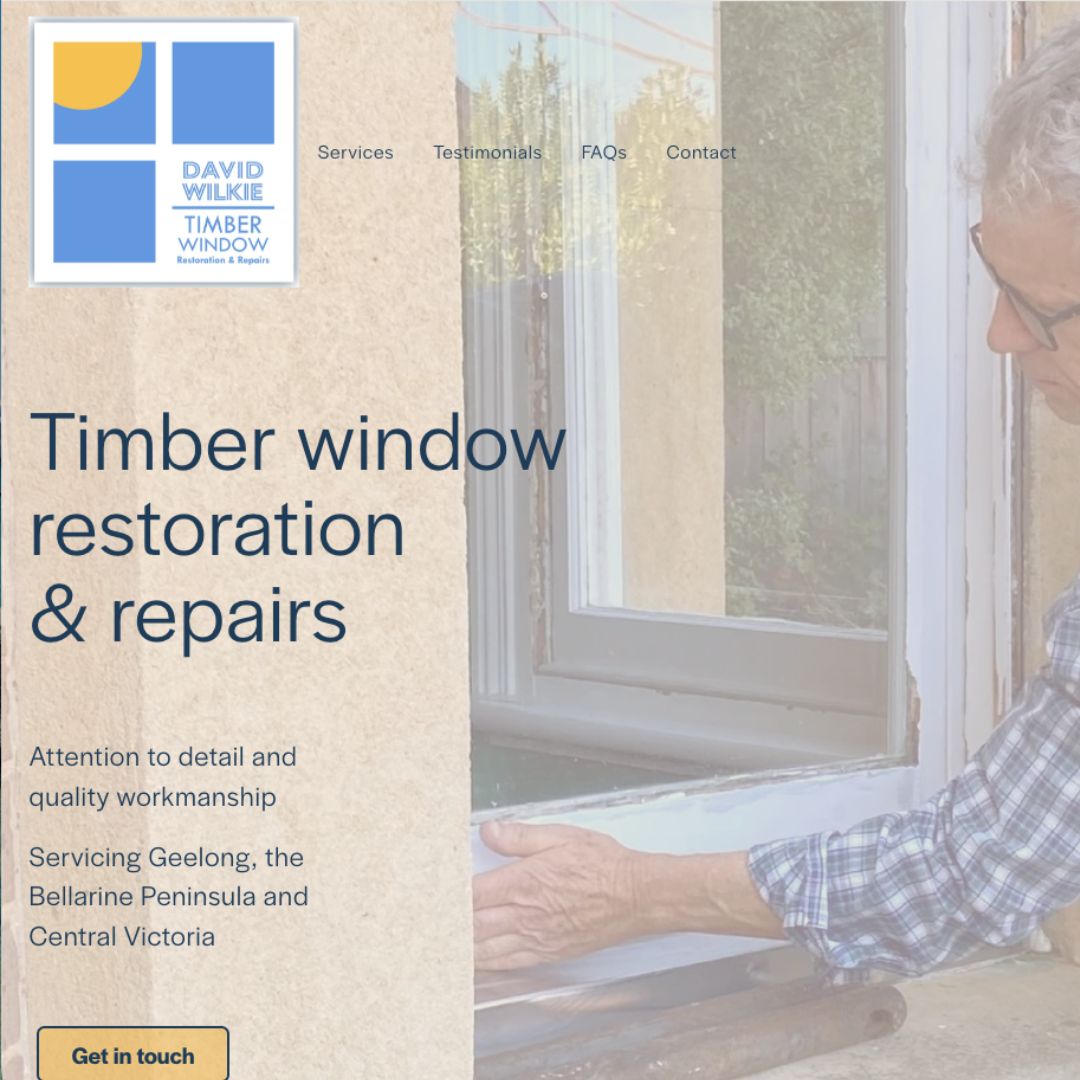
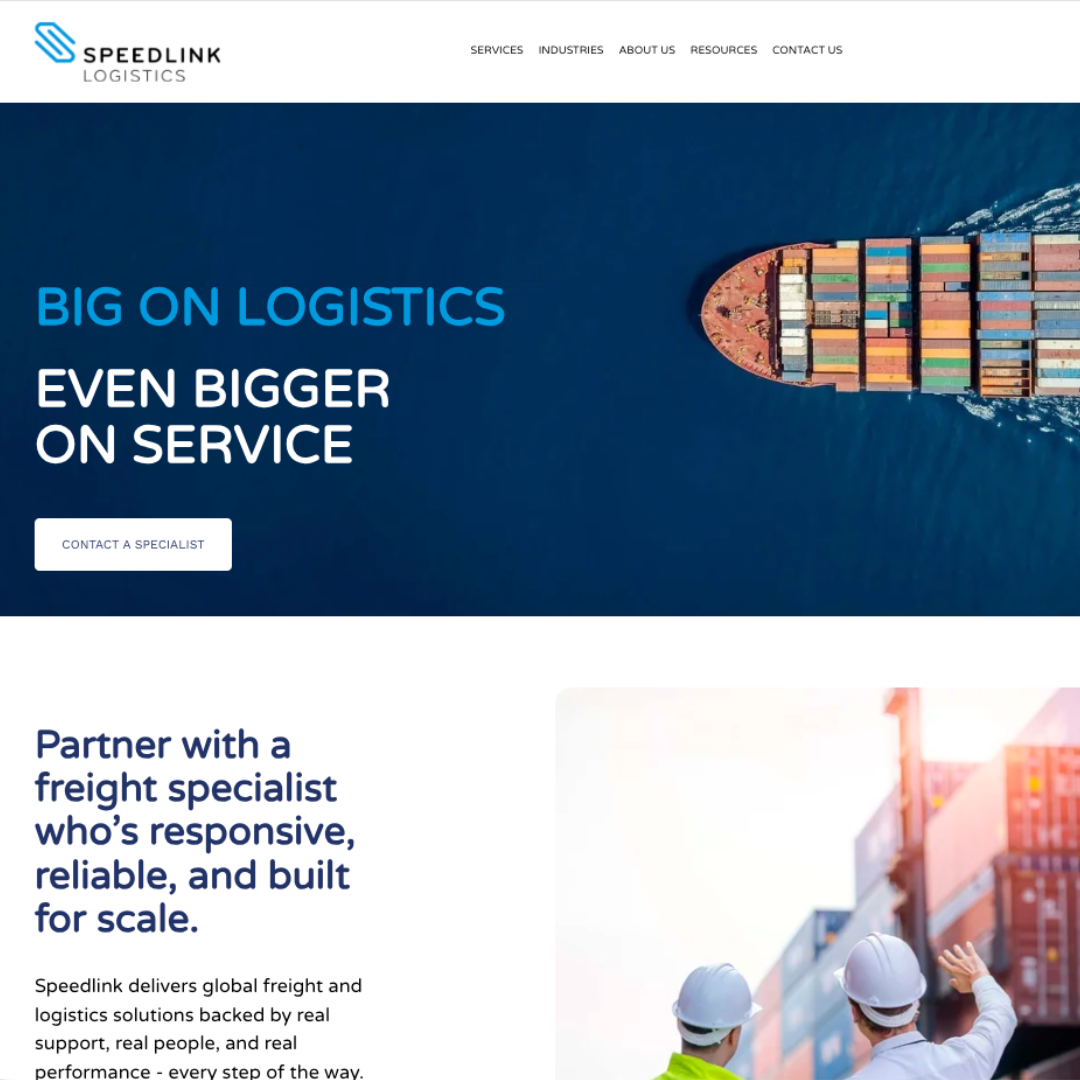
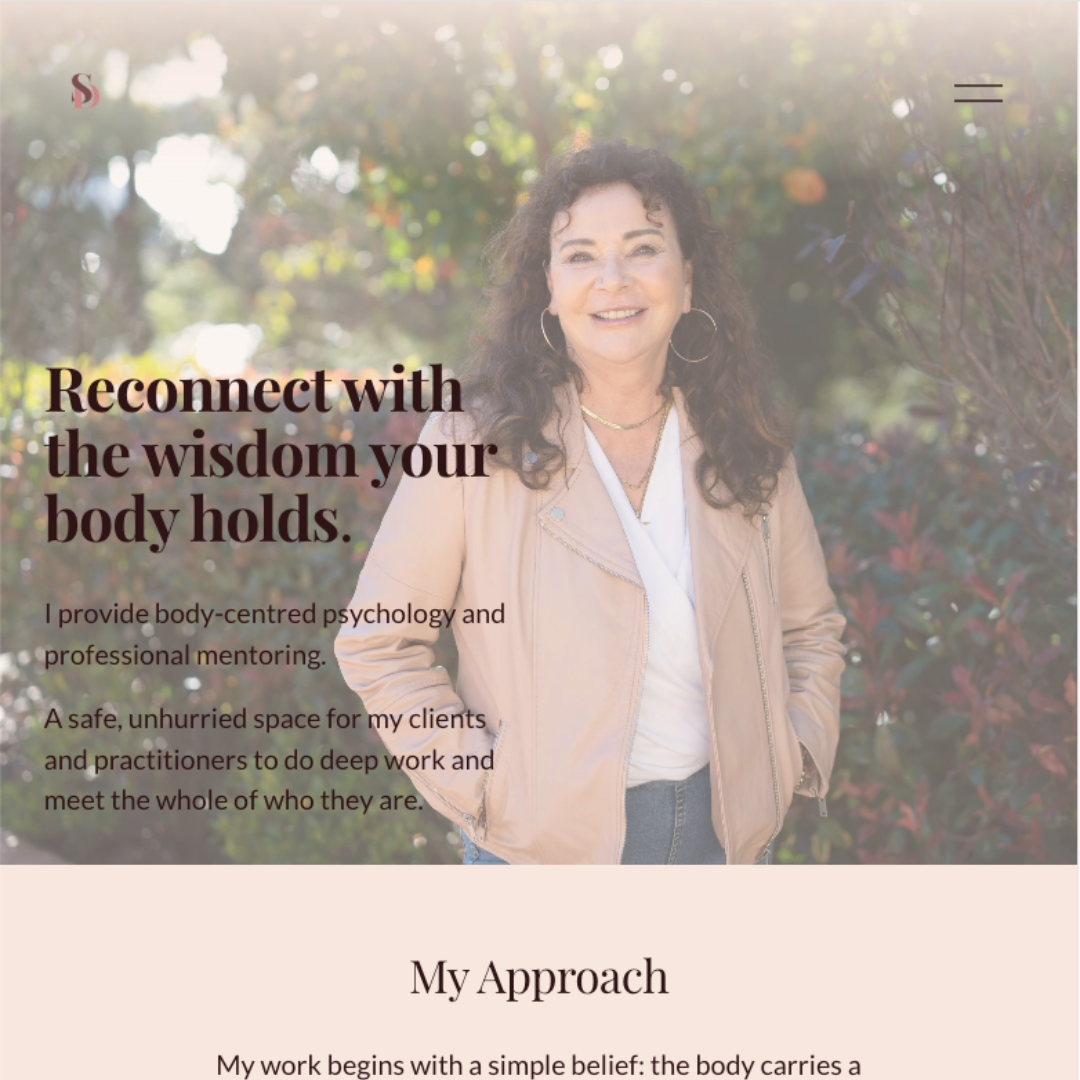
If you’d like to check out a few websites I’ve built you can visit: